

Types of Leaf Guards: Which Gutter Guard is Best for Your Kansas City Home?

If you have ever spent a weekend climbing a ladder to clean out soggy leaves, you already know why gutter guards are appealing. The goal is simple: keep debris out of your gutters, maintain proper water flow, and spend less time worrying about your home's drainage system.
Leaf guards, also called gutter guards, are designed to keep leaves and debris out of your gutters while allowing rainwater to drain properly.
But not all leaf guards are created equal.
Some use screens or micro-mesh to filter debris, while others use foam inserts, brushes, or solid surfaces that direct rainwater into the gutter.
So, which type of leaf guard is best for your home?
If you're comparing different types of leaf guards for your home, understanding how each design works can help you choose the right protection for your roof, surrounding trees, and maintenance expectations.
In this guide, Gutter Cover Kansas City® compares six common gutter guard designs, their pros and cons, maintenance requirements, costs, and which options may work best for Kansas City homes.
Table of Contents
1. What Are Leaf Guards
2. How KC Weather Affects Your Choice
3. What are the Different Types of Leaf Guards
4. Screen Gutter Guards
5. Micro-Mesh Gutter Guards
6. Foam Gutter Guards
7. Brush Gutter Guards
8. Solid Reverse-Curve Gutter Guards
9. Common Leaf Guard Problems
10. Gutter Sizing
11. What Roofers and Home Inspectors Say
12. Brand Showdown
13. How to Choose the Right Gutter Guard
14. DIY vs Professional Gutter Guard Installation
15. Maintenance and Seasonal Checklist
16. Summary
17. FAQs
What Are Leaf Guards?

Leaf guards are covers or inserts designed to keep leaves and other debris out of your gutters while allowing rainwater to drain away from your home. The terms ‘leaf guards’ and ‘gutter guards’ are generally used interchangeably to describe these products.
Leaf guards come in several designs, including screens, micro-mesh, foam, brush, and solid reverse-curve systems. Each has different maintenance needs and performance trade-offs. Understanding these differences can help you choose a gutter guard that suits your home, surrounding trees, and maintenance needs.
How Kansas City Weather Affects Your Leaf Guard Choice
Kansas City homeowners need gutter protection that can handle changing weather throughout the year. Spring and summer bring periods of heavy rain and thunderstorms, while fall brings leaves, twigs, and other debris that can clog gutters. Winter weather adds another consideration, with freezing temperatures, snow, and ice.
The right gutter guard needs to do more than keep leaves out. It should also allow rainwater to flow into the gutter during heavy downpours and help reduce debris buildup. What type of leaf guard will meet those needs for your home? Let’s take a look.
What Are the Different Types of Leaf Guards?
When researching the best leaf guards for your property, it helps to know that there are five main categories of gutter guards homeowners should understand: screen guards, micro-mesh guards, foam inserts, brush inserts, and solid reverse-curve guards. Some of these are available as DIY products, while others are designed for professional installation.
Here is a quick comparison of how they work and what to consider before choosing one.
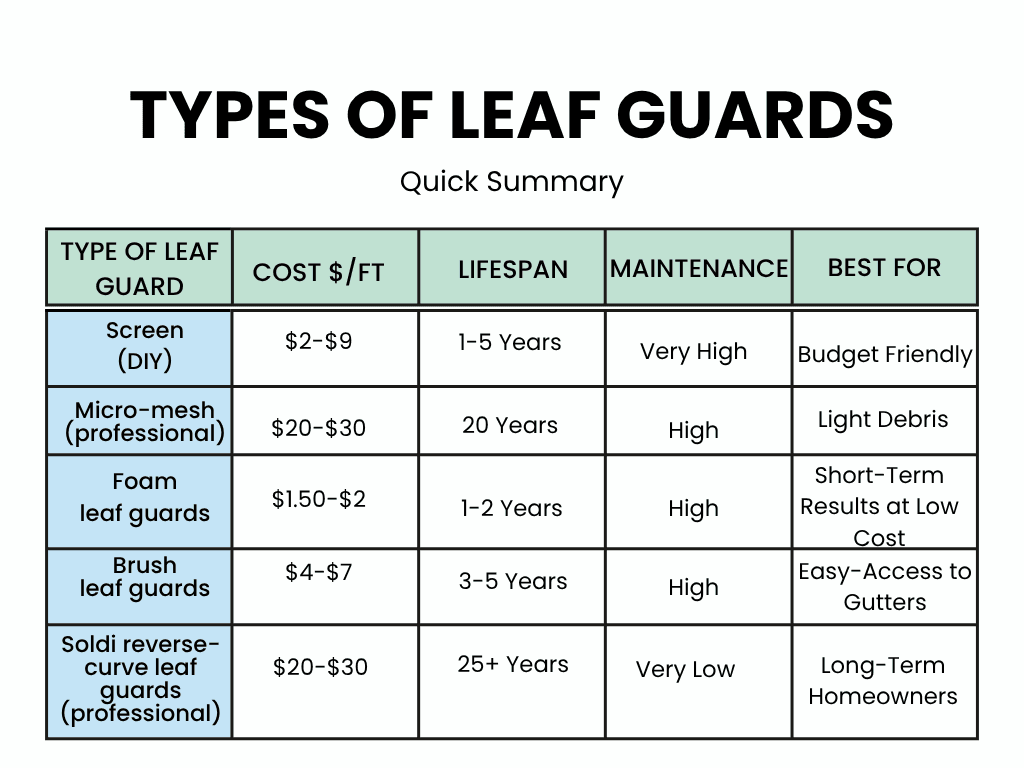
Before selecting a system, evaluating the leaf guard pros and cons across these categories is essential to finding a solution that matches your maintenance expectations.
The important distinction is how each system manages water and debris.
A guard that keeps large leaves out of the gutter is not necessarily going to stop smaller debris from accumulating, and a product that works well in light rain may not perform the same way during a heavy downpour.
Let's take a closer look at each type of leaf guard.
1. Screen Gutter Guards
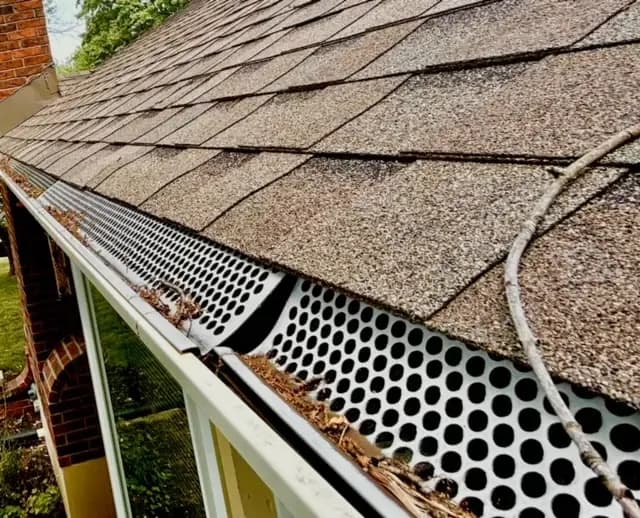
Screen gutter guards are one of the most familiar and widely available types. They use a perforated sheet or mesh-like screen that fits over the top of your gutters. The openings allow water to pass through while blocking some of the larger seasonal leaves and debris.
Screens are often available at home improvement stores and can be relatively simple for homeowners to install themselves.
Pros of Screen Gutter Guards
Affordable: Screen guards are often among the less expensive options available.
Easy to install: Many DIY models can be fitted over existing gutters with basic tools.
Basic leaf protection: They can keep larger leaves and twigs from entering the gutter directly.
Cons of Screen Gutter Guards
Smaller debris can get through: Seeds, roof grit, and other fine material may pass through the openings, depending on the screen design.
The screen itself can clog: Leaves and other organic material may accumulate on the surface and interfere with water entering the gutter.
Maintenance is still necessary: Homeowners may need to remove debris from the screen and clean the gutters periodically.
Durability varies: Material quality, exposure, and installation all affect how long a particular screen will last.
Are Screen Gutter Guards Worth It?
Screen guards can be a reasonable choice when upfront cost is the main priority and you understand the maintenance involved. However, if your goal is to stop spending time cleaning your gutters, it is important to consider whether the screen will simply move the debris problem from inside the gutter to the top of the guard.
A screen that needs frequent cleaning may not deliver the long-term convenience you were hoping for.
Learn more about screen gutters in the article: Gutter Screens vs Advantage Gutter Guard®.
2. Micro-Mesh Gutter Guards
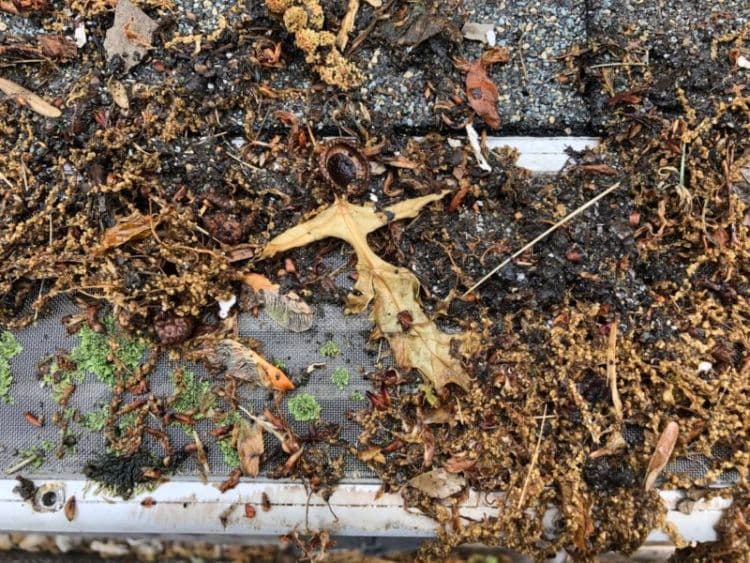
Micro-mesh gutter guards use a much finer screen than traditional gutter screens. Many models use stainless steel or aluminum mesh supported by a frame that fits over the gutter opening.
The small openings are designed to keep fine debris out while allowing rainwater to pass through.
Pros of Micro-Mesh Gutter Guards
Fine filtration: Quality micro-mesh designs can block many small particles that pass through traditional screens.
Keeps much of the debris out of the gutter channel: This can reduce the amount of material accumulating inside the gutter.
Available in several designs: Homeowners can find DIY options as well as professionally installed systems.
Durable materials are available: Stainless steel and aluminum components can provide long service life when properly designed and installed.
Cons of Micro-Mesh Gutter Guards
Debris can collect on top: Leaves, pollen, roof grit, and other material may accumulate on the mesh surface.
Water flow can be affected: When openings become obstructed, water may have difficulty entering the gutter.
Maintenance is still required: Depending on the product and surrounding mature trees, the mesh may need periodic cleaning.
Professional systems can cost more upfront: The final price depends on the product, materials, home, and installation requirements.
Are Micro-Mesh Gutter Guards Worth It?
Micro-mesh can be useful when keeping fine debris out of the gutter is a priority. However, it is important to remember that filtering debris does not make that debris disappear.
The material has to go somewhere. When leaves, pollen, seeds, or roof grit accumulate on the mesh, the guard may need to be cleaned to maintain water flow.
For homeowners comparing micro-mesh with a solid gutter cover, the key question is whether they prefer a filtering system that may need surface cleaning or a design that directs water into the gutter without relying on a screen.
Learn more about gutters for seasonal leaves: Best Leaf Guard for Fall Leaves
3. Foam Gutter Guards
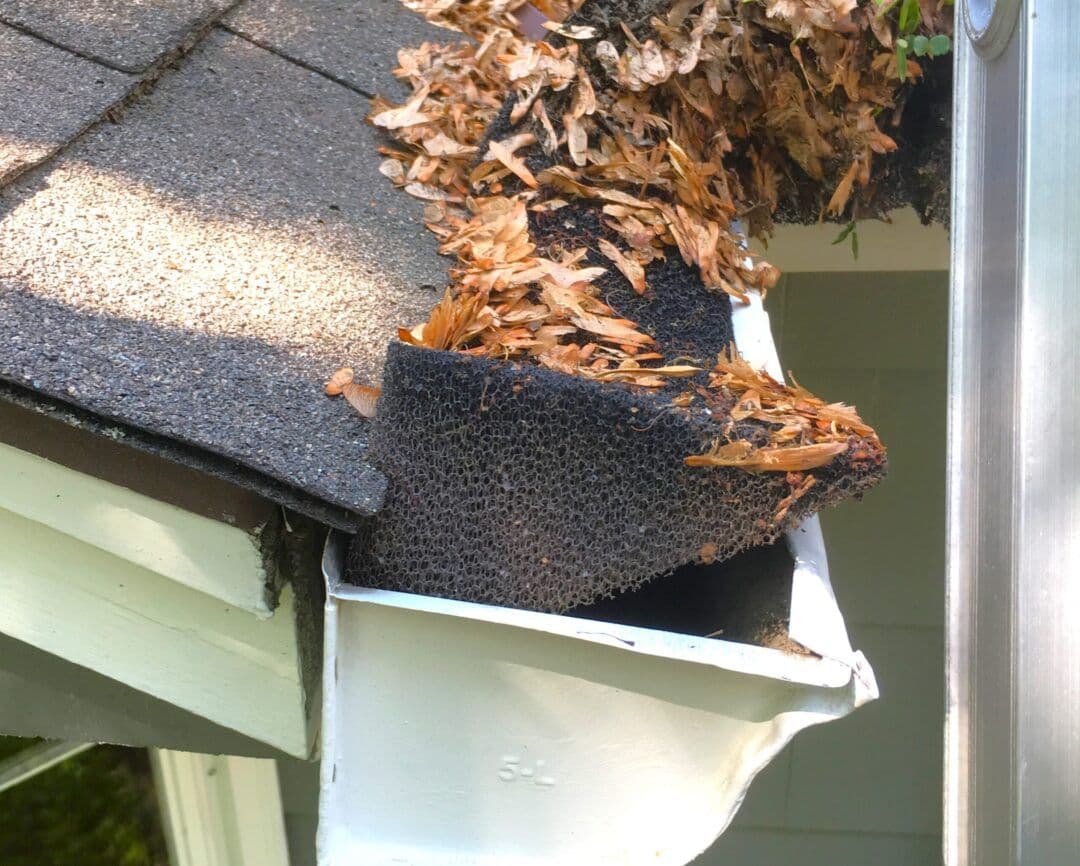
Foam gutter guards are inserts made from porous foam that sit inside the gutter. Water passes through the material while larger debris is intended to remain on the surface.
They are popular with DIY homeowners because they are lightweight, relatively inexpensive, and generally easy to fit into an existing gutter.
Pros of Foam Gutter Guards
Low upfront cost: Foam inserts are often inexpensive compared with professionally installed gutter protection systems.
Simple installation: Many products can be trimmed to length and placed inside the gutter.
Keeps some larger debris out: The foam can prevent certain leaves and larger objects from entering the gutter channel.
Cons of Foam Gutter Guards
The foam can collect debris: Seeds, dirt, and organic material can build up in the pores and on the surface.
Moisture can remain trapped: Depending on the material and conditions, damp foam may encourage algae or other organic growth.
Water capacity can be affected: The insert occupies space inside the gutter, and clogged pores can interfere with drainage.
Replacement may be necessary: Foam can deteriorate over time, depending on its material and exposure.
Cleaning can be inconvenient: The inserts may need to be removed, cleaned, and reinstalled.
Are Foam Gutter Guards Worth It?
Foam guards can seem like a simple solution when you first install them. The problem is that they sit directly inside the channel designed to carry rainwater.
As debris builds up, the foam can become less effective at allowing water to pass through. Homeowners may find themselves removing and cleaning the inserts to restore proper drainage.
If you are looking for a temporary, low-cost option, foam may be worth considering. If your primary goal is long-term protection with less maintenance, compare the ongoing upkeep and potential replacement costs before making a decision.
Read more about foam guards in the article: Does Gutter Foam Work?
4. Brush Gutter Guards
Brush gutter guards look like oversized cylindrical brushes. They sit inside the gutter, with bristles designed to catch seasonal leaves and other debris while allowing water to move around and through the brush.
Like foam inserts, brush guards are generally easy to install without replacing the existing gutter system.
Pros of Brush Gutter Guards
Simple installation: Most models are placed directly into the gutter.
Easy to remove: The brush can often be lifted out when cleaning is necessary.
Relatively affordable: Many DIY options have a low initial cost.
No complex filtration screen: The design relies on bristles rather than a fine mesh.
Cons of Brush Gutter Guards
Leaves can get caught in the bristles: The brush is designed to collect debris, which means material can become tangled within it.
Fine debris may accumulate: Seeds, needles, and smaller organic material can settle between the bristles.
Cleaning is still necessary: The brush may need to be removed and cleaned to maintain the gutter's function.
Wear and replacement are possible: The lifespan depends on the brush material, environmental exposure, and upkeep.
Are Brush Gutter Guards Worth It?
Brush guards may appeal to homeowners who want a simple product that is easy to remove. However, the same bristles that catch leaves can also hold debris.
If you install a brush guard, you should plan for periodic inspection and cleaning. For homeowners who want to reduce recurring gutter maintenance as much as possible, it is worth comparing this design with a solid cover that allows debris to shed away from the gutter opening.
5. Solid Reverse-Curve Gutter Guards

Solid reverse-curve gutter guards work differently from screens, mesh, foam, and brush inserts.
Instead of filtering water through openings or porous material, a solid cover directs rainwater around a curved edge and into the gutter. This design uses the natural surface tension of water to help guide it around the nose of the guard.
The solid surface is intended to keep leaves, seeds, and other debris from entering the gutter, while the shape of the cover helps water flow into the channel below.
However, not every solid cover is designed the same way. The shape of the nose, the amount of gutter coverage, the material, and the installation all matter.
Pros of Solid Reverse-Curve Gutter Guards
Debris stays out of the gutter: A properly designed solid cover blocks debris from entering through a screen or mesh opening.
A smooth surface can shed debris: Leaves and other material may slide or blow off instead of becoming trapped within a filter.
Lower maintenance potential: Because the system does not rely on a fine mesh or porous insert, there is less opportunity for debris to collect within those materials.
Durable materials are available: Quality metal systems can provide long-term protection when properly installed.
Designed for long-term use: Professionally installed systems can be a good option for homeowners who want to reduce recurring gutter maintenance.
Cons of Solid Reverse-Curve Gutter Guards
Higher upfront cost: Professional systems typically cost more than basic DIY screens and inserts.
Installation matters: The guard must be properly fitted to the gutter and roofline to perform as intended.
Water flow depends on the design: During heavy rainfall, the shape, positioning, and capacity of the gutter system can affect how well water enters.
Not every product is equivalent: Some covers leave gaps or use different nose designs, so it is important to understand what you are buying.
Are Solid Reverse-Curve Gutter Guards Worth It?
If you're looking for long-term gutter protection and less routine maintenance, a solid-surface leaf guard system is worth considering. A solid surface-tension cover directs water around a curved edge while blocking debris from entering the gutter through the top.
Compare the actual product, materials, installation method, performance testing, and warranty instead of assuming all reverse-curve guards are alike.
Learn more about using solid gutter guards in Kansas City.
Common Leaf Guard Problems and Complaints
Searching for leaf guard complaints before making a purchase makes sense. You want to know what can go wrong, not just what a product promises to do.
The key is understanding the cause of the problem. A complaint about one product or installation doesn't automatically apply to every type of gutter guard.
1. Water overflowing during heavy rain
A gutter can overflow if debris blocks the water flow, the gutter can't handle the runoff, or the guard doesn't manage the water properly under those conditions. Gutter size, roof design, installation, and rainfall intensity all matter.
Read more in our guide to gutter guards for heavy rain.
2. Leaves and debris gathering on top
This can happen with screens and micro-mesh. The guard may keep debris out of the gutter but still need occasional cleaning on its surface.
3. Debris collecting inside the guard
Foam and brush products can collect material within their inserts. Traditional screens can also let smaller debris pass through into the gutter.
4. Guards that don't fit properly
Not every product fits every gutter. Gutter shape, size, condition, slope, and attachment method can affect the installation.
If your gutters are loose, leaking, or damaged, those issues should be addressed before adding a guard.
5. Products wearing out or disappointing warranty coverage
Materials and warranties vary. Before purchasing, ask what the warranty covers, whether there are exclusions, who handles service, and what happens if the product needs attention.
A useful rule: Look for recurring, specific complaints about overflow, cleaning, durability, or warranty service. Then check whether those complaints apply to the same product and installation method you're considering.
What About Gutter Sizes?
Gutter guards need to work with the gutters already on your home. Common residential gutters include K-style and half-round designs, and they come in different sizes.
Before choosing a guard, consider:
The shape and size of your gutters.
Whether the gutters are secure and in good condition.
Whether the existing system drains properly.
How much runoff your roof sends into the gutters.
Whether the guard is designed to fit your gutter style.
Advantage Gutter Guard® is designed for compatible K-style and half-round gutters. The existing gutter system should be inspected before installation to confirm compatibility.
Adding a guard won't fix damaged gutters, poor drainage, or an undersized system. Those issues need to be addressed separately.
What Roofers and Home Inspectors Say About Gutter Guards
Pro Tip: Most roofers recommend whatever product their company sells and has experience installing – not necessarily what will work in your area or on your home. Make sure to do your research BEFORE you agree to a product.

However, most professionals agree that:
– Foam inserts retain moisture and, if not properly cleaned, maintained, and regularly replaced, can lead to issues.
– DIY surface-tension guards may overshoot water in heavy rain.
– Poor installation of any gutter protection can cause possible damage.
Those are also legitimate reasons why a professional installation matters.
The Brand Showdown – LeafFilter®, LeafGuard®, and More
Big national brands like LeafFilter® and LeafGuard® dominate advertising, but local homeowners have reported mixed experiences. (Again, do your research.) Consumer complaints often involve installation quality, overpromising (claims of “No Maintenance!”), and warranty confusion.

Why does Gutter Cover KCTM only install Advantage Gutter Guard®?
Because in our 25 years of experience, no other product delivers on all fronts. It’s the perfect combination of durable materials, a great aesthetic, and 100% of “does what it promises to”. Combine with professional installation from a trusted local company and you’ve got exactly what you wanted – No gutter clogs, absolute lowest maintenance, and a legit warranty.
When comparing brands, look beyond price per foot.
Research local performance. Ask about quality of materials, water flow testing, and exactly what the warranty covers (and what it does not) — those details reveal the true value.
How to Choose the Right Gutter Guard for Your Home
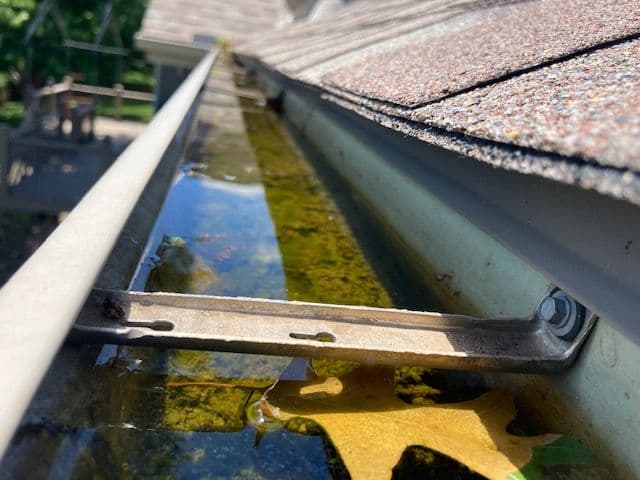
Your best choice depends on your roof, environment, and maintenance expectations.
Here are some important questions to ask before buying:
Will it handle the debris around my home? Leaves, pine needles, seeds, and roof grit can behave differently.
How does it handle heavy rain? Ask for relevant test results rather than relying on broad promises.
Where does the debris go? Does it collect on top, pass through, or get trapped inside the guard?
How much maintenance is required? Find out what the manufacturer recommends.
What is it made from? Compare material quality and expected durability.
Will it fit my gutters? Check the gutter style, size, and condition.
What does the warranty cover? Read the actual written terms.
Who installs and services it? Professional installation and after-sales support may matter over the life of the product.
Also consider roof type, debris load, and how long you plan to stay in your home.
If you’re only going to be in your home for a few short years, a temporary and cheaper fix may make the most financial sense. If you’re planning on being in your home for many years, then invest in a longer-term solution.
DIY vs Professional Installation
DIY installation might save a little upfront, but incorrect installation can cause possible damage to your home. Professional gutter and gutter guard installation ensure precise fitting and sealing, which prevents costly repairs later.
Advantage Gutter Guard® is professionally installed and engineered for heavy rain, pine needles, and long-term durability — a proven, permanent solution.
Maintenance Myths and Realities
Myth: “Install gutter guards and you’ll never have any gutter maintenance again.”
Reality: Even the best systems need occasional inspection to clear roof debris and ensure optimal water flow.
Seasonal Checklist:
- Inspect gutter guards twice a year
- Clear roof valleys of leaves
- Confirm downspout flow
- Double check guard integrity after major storms
Summary: Finding the Best Gutter System for Your Home in Kansas City

The best gutter guard depends on your home’s trees, roof, and climate.
Gutter Cover Kansas City® has been installing gutter protection since 2001.
What’s their advice? Notice what Doug Stacye, who has co-owned the company the entire time, says on this subject: “In our experience, the problem with screens and meshes are the constant need to clean and maintain the systems. With a professional, solid surface gutter guard like the Advantage Gutter Guard®, you get the most value for your money. Both in terms of long-term gutter protection and lowest maintenance.”
Tired of cleaning your gutters? Discover the lasting protection of Advantage Gutter Guard® — engineered for heavy rain, snow and ice, oak tree debris, pine needles, and real-world Midwest weather.
Frequently Asked Questions
The terms are often used interchangeably. Both usually refer to products designed to keep leaves and other debris out of gutters. “Leaf Guard” can also be used as a brand name, so check whether a search result refers to a general product type or a particular company.
Professionally installed solid reverse-curve guards have been proven to work best for heavy leaves. Advantage Gutter Guard® uses a smooth, nose-forward design intended to shed seasonal leaves and other debris while directing rainwater into the gutter.
Performance depends on the guard’s design and installation. Solid guards work great for heavy rain, for example Advantage Gutter Guard® has been third-party tested to handle three times the water volume of a typical Midwest rainstorm. Its surface-tension design guides water into the gutter without relying on mesh openings.
Some screens and mesh guards collect debris on top, while foam and brush guards can require frequent maintenance. DIY solid covers may also overshoot water in heavy rain, particularly when dirty. Advantage Gutter Guard® is professionally installed and designed for low maintenance, with a transferable lifetime performance warranty and no-clog guarantee, subject to the written terms.
Not necessarily. Screens and micro-mesh can need surface cleaning, while foam and brush inserts can collect debris inside the gutter. Some professionally installed systems are designed to reduce routine maintenance significantly, but follow the product's maintenance instructions.
They can if they're poorly matched to the gutter, installed incorrectly, or not maintained as recommended. Common concerns include overflow, debris buildup, poor fit, and unclear warranty coverage.
It depends on the design. Micro-mesh is intended to block small debris but can collect material on its surface, while solid-surface leaf guard options are designed to keep out even the smallest debris.
Read more in our guide to gutter guards for pine needles.
The price depends on the product, the length of the gutters, the condition and accessibility of the roofline, and the installation work required. An inspection is the best way to get an accurate estimate.
Learn more about in our guide to Seamless Gutters Cost in Kansas City.
They can be, especially if you want to reduce repeated gutter cleaning and the hassle of removing debris yourself.
But the cheapest guard isn't necessarily the least expensive option over time. Consider the upfront cost alongside maintenance, replacement, durability, installation, and warranty coverage.
Check the duration of the warranty, what it covers, exclusions, maintenance requirements, and who handles service.
Still have questions? Read the answers to The Top 22 Questions Kansas City Homeowners Ask About Gutter Guards.





What Our Customers Are Saying

“Very professional did a great job.”
J. Bennett, Butler, MO
“The house looks 100% better, color matches perfectly.”
C. Nelson, Roeland Park, KS
“Riley, Cameron, and Matt - did a great job installing our Gutter Covers. Riley kept us informed during each step of the process plus he identified and repaired an exterior drain at the rear of our property. I would recommend your firm to anyone considering gutter work.”
B. Sloan, Prairie Village, KS, 7-24-19
“Fantastic company to work with- from the initial scheduling call, to the gentleman that gave my estimate, and the installers. They were all courteous, prompt, and respectful. Highly recommend!”
C. Martin, Independence, MO, 6-21-19
“Matt and Steve did a very nice job installing our under ground drain's. They paid attention to detail in all they did. Very personable and pleasant to work with. We are happy with the new look and draining.”
L. Phillips, Blue Springs, MO, 5-15-19